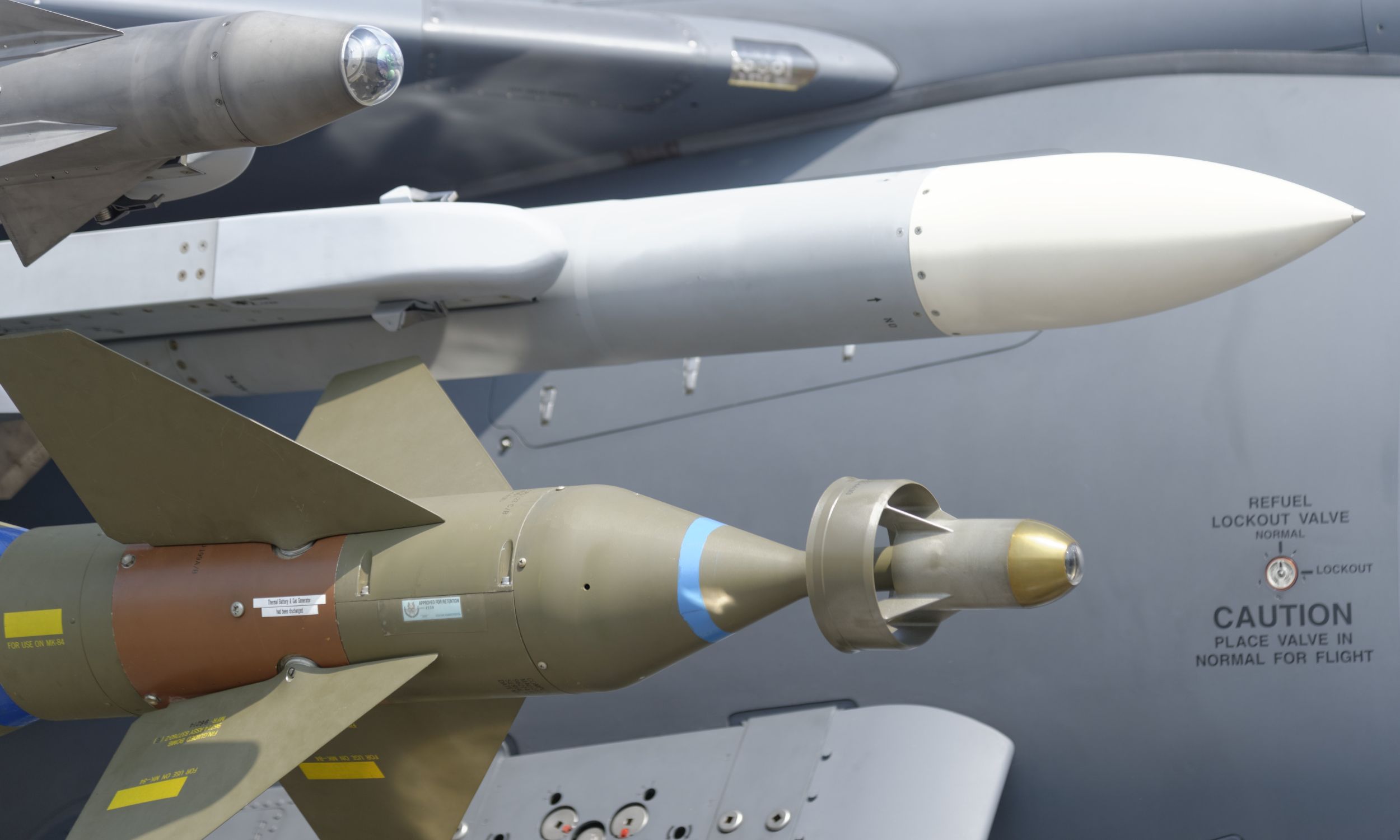
When you hear the phrase “precision strike,” you probably imagine a dramatic movie scene or a quick clip on the news. A missile zooms through the sky, zeroes in on a target, and hits with unflinching accuracy. It looks effortless. But behind that precision is a layered, intelligent system quietly doing the hard work. This system is built on two essential pillars: missile tracking systems and missile guidance.
Missile tracking systems are the eyes of the operation. They know exactly where the missile is at every moment. Missile guidance is the brain, constantly thinking, adjusting, and ensuring the missile reaches its target. Together, they make modern warfare more precise, adaptive, and, in many ways, eerily efficient.
Why Missile Tracking Systems Matter More Than Ever
Modern missiles are fast. They move at incredible speeds, often across vast distances. They’re also launched in unpredictable environments. You can’t just fire and hope anymore. Real-time data is essential. That’s where missile tracking systems come in.
These systems monitor the missile’s position, velocity, and trajectory from launch to impact. They’re designed to operate under extreme conditions and can communicate with satellites, radars, infrared sensors, and more. The goal is simple: stay locked onto the missile and relay accurate data continuously.
Without missile tracking systems, modern precision warfare wouldn’t exist. They’re what enable a missile to correct itself mid-flight, dodge obstacles, and stay on course even if the original plan changes.
The Partnership: Tracking Feeds Guidance
It’s easy to confuse tracking and guidance. But they serve different, complementary roles. Missile tracking systems live outside the missile. They observe. They gather information. Ground radars, satellites, and other sensors watch the missile from the outside and collect data.
Missile guidance systems live inside the missile. They receive the data from tracking systems and make decisions. Should the missile tilt a little left? Speed up? Switch sensors? The guidance system decides, based on the tracking data it’s receiving in real time.
So, while tracking watches, guidance acts. One without the other isn’t very effective. Together, they form a tightly connected feedback loop that keeps the missile focused on its target.
Sensors That Make It All Possible
The magic of missile tracking starts with sensors. Radars are the backbone. They can track objects hundreds of miles away with impressive accuracy. Some radars, like phased-array systems, can track multiple objects at once.
Infrared sensors add another layer. They detect heat signatures. If a missile is chasing a jet engine or avoiding incoming fire, heat detection can be crucial. These sensors are especially useful when visibility is poor or when radar might be jammed.
Satellites help paint the broader picture. They provide positioning data and can keep an eye on the battlefield from orbit. When combined, these sensors turn missile tracking systems into incredibly smart networks that adapt quickly to changing conditions.
How Ground and Optical Systems Join In
Not all tracking happens in the sky. Ground-based systems have an important role, too. Military bases, mobile vehicles, and even ships are equipped with tracking gear. These tools give commanders real-time data and a clear sense of what’s happening in the sky.
In controlled environments, optical tracking systems help researchers refine missile performance. These tools use high-resolution cameras, lasers, and other optical instruments to study missile behavior. They’re less useful in battle but incredibly valuable during testing and development.
Together, ground and optical systems add depth to missile tracking. They fill gaps, verify accuracy, and support the broader tracking network.
Tracking Isn’t Just for Offense
We usually think of missile tracking systems helping launch a missile at a target. But they’re just as critical for defense. Intercepting an enemy missile requires precise, fast tracking.
Systems like THAAD, Iron Dome, and S-400 rely on missile tracking data to know when and where to launch interceptors. They don’t get a second chance. If the data is even slightly off, the interception fails.
That’s why these systems are built to detect, calculate, and act within seconds. And they don’t just track one missile. They often juggle multiple threats at once, adjusting in real time to whatever the battlefield throws at them.
Missiles That Think on the Fly
Old-school missiles were fire-and-forget. Once launched, they couldn’t adjust or respond. That’s no longer the case. Modern missiles are adaptive. They can receive updates mid-flight, dodge decoys, and even reroute entirely if needed.
This is possible because of the constant stream of data from missile tracking systems. The missile’s guidance system processes that data and makes decisions on the go. Should it go left? Should it speed up? Should it switch sensors?
These decisions are made in milliseconds. And that agility can mean the difference between hitting a target or missing completely.
Outsmarting the Missile: The Role of Countermeasures
Of course, when one side improves its missile technology, the other side looks for ways to disrupt it. Countermeasures are designed to trick missile tracking systems and mislead guidance systems.
Flares confuse heat-seeking missiles. Chaff clouds confuse radar. Electronic jamming tries to block communication. These tactics create noise, decoys, and false targets.
But tracking systems are getting smarter. With AI and better sensors, they’re learning to see through the tricks. They can tell the difference between a real target and a distraction. This back-and-forth makes modern warfare more complex and data-driven.
What the Future Holds for Missile Tracking Systems
Missile tracking systems are already impressive. But they’re still evolving. Future systems may use quantum sensors for even more accuracy. AI could make real-time decisions even faster. Swarms of small tracking drones might replace satellites in some missions.
One thing is clear: as long as missiles exist, tracking them will be essential. These systems are no longer optional add-ons. They’re a core part of how modern militaries operate.
So next time you hear about a missile strike on the news, remember this: behind that flash and fire is a quiet, brilliant network of eyes and minds, all working together to make sure the missile goes exactly where it’s supposed to.

Leave a Reply