It finally happened. After decades on the sidelines, India, Poland, and Hungary just sent astronauts to space. Not on a Soviet rocket this time. And not as part of someone else’s mission. This time, they flew on their own terms. A private US spacecraft carried them straight to the International Space Station.
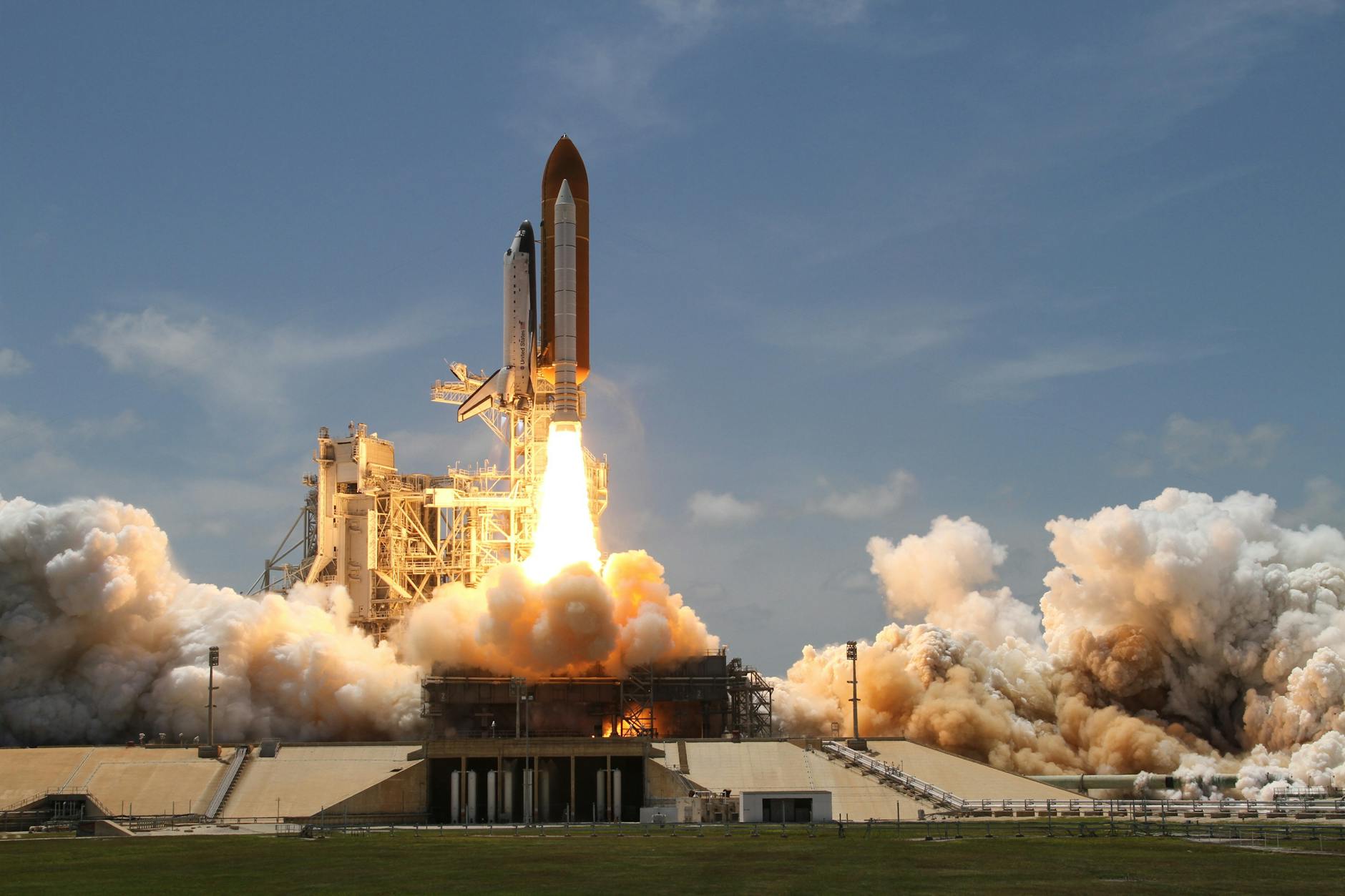
Early Wednesday morning at 2:31 a.m. Florida time, a SpaceX Falcon 9 rocket launched from NASA’s Kennedy Space Center. Riding it was the Axiom Mission 4 crew, or Ax-4. Destination: the ISS. Duration: up to 14 days.
Launch of Axiom Mission 4
This crew is different. There’s Shubhanshu Shukla, a test pilot from India. Sławosz Uznański-Wiśniewski, a mission specialist from Poland. Tibor Kapu, a scientist from Hungary. And Peggy Whitson, their commander and a veteran NASA astronaut who now works with Axiom Space.
None of these three countries had sent a human to space in decades. The last time they did, it was through Soviet missions. Now, things are different. They paid for seats, worked with a private space company, and sent their own people.
They didn’t just return to space. They chose how they would return.
A Big Moment for India
For India, this launch is more than a milestone. It’s a bridge to a bigger mission.
The Indian Space Research Organisation, or ISRO, is preparing for its own crewed flight called Gaganyaan. That one will fly in 2027. An Indian rocket, an Indian capsule, and Indian astronauts will do it all from home soil.
Until then, this flight is a learning step. A crucial one.
Indian Prime Minister Narendra Modi shared his pride on X: “[Shukla] carries with him the wishes, hopes and aspirations of 1.4 billion Indians. Wish him and other astronauts all the success!”
Shukla is expected to speak with Modi while onboard. It’s a moment designed to stir pride and boost visibility for India’s space ambitions.
Poland and Hungary Join In the Axiom Mission 4
Poland and Hungary also used this mission to remind the world of their space dreams.
Polish Prime Minister Donald Tusk watched the launch from the Copernicus Science Centre in Warsaw. He was surrounded by kids. “We’ve got this! Poland has reached for the stars,” he wrote on X. Then he added, “Who knows how many future Polish astronauts watched Sławosz’s launch with me? Everyone was very excited and very proud.”
Hungary didn’t hold back either. They announced back in 2022 that the seat for their astronaut cost $100 million. India and Poland haven’t revealed their prices, but it’s clear all three nations treated this as a serious investment.
They weren’t just passengers. They were participants.
Delays, Drama, and a Twitter Fight
The launch didn’t happen overnight. It got pushed back several times.
Why? Some of it was technical. But much of the drama came from a public spat between Elon Musk and US President Donald Trump.
Trump threatened to cancel SpaceX’s federal contracts. Musk responded with fire. He even suggested retiring the Dragon spacecraft, the same vehicle used for Ax-4. Then, a few hours later, Musk backpedaled. He admitted on social media that he had gone “too far.”
Even with that dust-up, most experts believe SpaceX and the US government are too dependent on each other to split. SpaceX rockets carry not just astronauts but satellites and military tech. It’s a relationship that won’t break easily.
A New Dragon Takes Flight
The Ax-4 mission launched using SpaceX’s fifth Crew Dragon capsule. It hasn’t been named yet. Once it’s in orbit, SpaceX will pick a name. It will join Endeavour, Resilience, Endurance, and Freedom in the active fleet.
This is the final Crew Dragon capsule SpaceX plans to build. By the 2030s, the company hopes to switch to a new vehicle called Starship. That rocket is much bigger and fully reusable.
While Starship is still in testing, Dragon continues doing what it does best. Getting astronauts to space. Safely and quickly.
What Are They Doing Up There
The astronauts onboard aren’t just floating around. They’re running around 60 experiments.
They’ll study how microalgae grow in space. They’ll try to sprout salad seeds. And they’ll test how tardigrades – tiny, tough creatures – survive in microgravity.
These aren’t just cool biology projects. They could help humans grow food in space. They could show us how life adapts without gravity. And they might point the way to future long-distance space travel.
Sharing the station with astronauts from other countries also helps build stronger ties between space programs. That’s how science becomes diplomacy.
Why Axiom Mission 4 Feels Different
This wasn’t just a ride to space. It was a message. A loud one.
India, Poland, and Hungary showed that space isn’t limited to giants anymore. You don’t need a decades-old agency or a Cold War alliance. What you need is a plan, a budget, and a partner like Axiom.
The astronauts onboard Ax-4 brought experiments, flags, and pride. But more than that, they brought proof that space belongs to everyone ready to go.
They didn’t wait for permission. They booked their flight. And they launched.
Recommended useful tools and products
Here are some useful tools and products inspired by the Ax-4 space mission that you can explore:
1. NASA’s Eyes on the Solar System
What it is: A free interactive tool by NASA to track spacecraft in real-time.
Why it’s useful: You can follow missions like Ax-4 or Mars rovers live, explore planets, and learn by watching actual flight paths.
Try it here: eyes.nasa.gov
2. ISS Tracker Apps (e.g. Heavens-Above, ISS Tracker)
What it is: Mobile apps that show when and where the International Space Station will pass over your location.
Why it’s useful: Watch real ISS flyovers from your backyard. Great for kids, educators, and night sky lovers.
Available on: Android, iOS
3. Mini Science Lab Kits (like MEL Science or KiwiCo)
What it is: At-home science kits for adults or kids that replicate real experiments with guidance.
Why it’s useful: Some kits focus on biology in space, microgravity, and plant growth—just like Ax-4’s research goals.
Recommended brand: MEL Science, KiwiCo
4. CubeSat Kits for Beginners (like Arduino-based DIY satellite simulators)
What it is: Kits to simulate building your own small satellite or payload experiment.
Why it’s useful: Understand how real astronauts test tech on the ISS. Perfect for space hobbyists or students.
Example kit: SatNOGS or Ardusat kits
5. Space Garden Kits (NASA-style hydroponics for home)
What it is: Compact indoor plant systems designed for no-soil growing, inspired by space farming.
Why it’s useful: Experience how astronauts grow salad in space.
Recommended product: AeroGarden
6. Starlink Internet by SpaceX
What it is: Satellite-based internet service built by the same company that launched Ax-4.
Why it’s useful: Delivers fast, reliable internet to remote areas and is part of the new space-tech era.
Learn more: starlink.com
7. Heavens-Above
What it is: A satellite and ISS tracker website and app.
Why it’s useful: See when the International Space Station will fly over your location. Also tracks Starlink satellites.
Visit here: heavens-above.com
Thank you for reading! We’re glad you took the time to read. We always include useful tools and products with our stories so you’ll discover something practical or interesting every time.

Leave a Reply