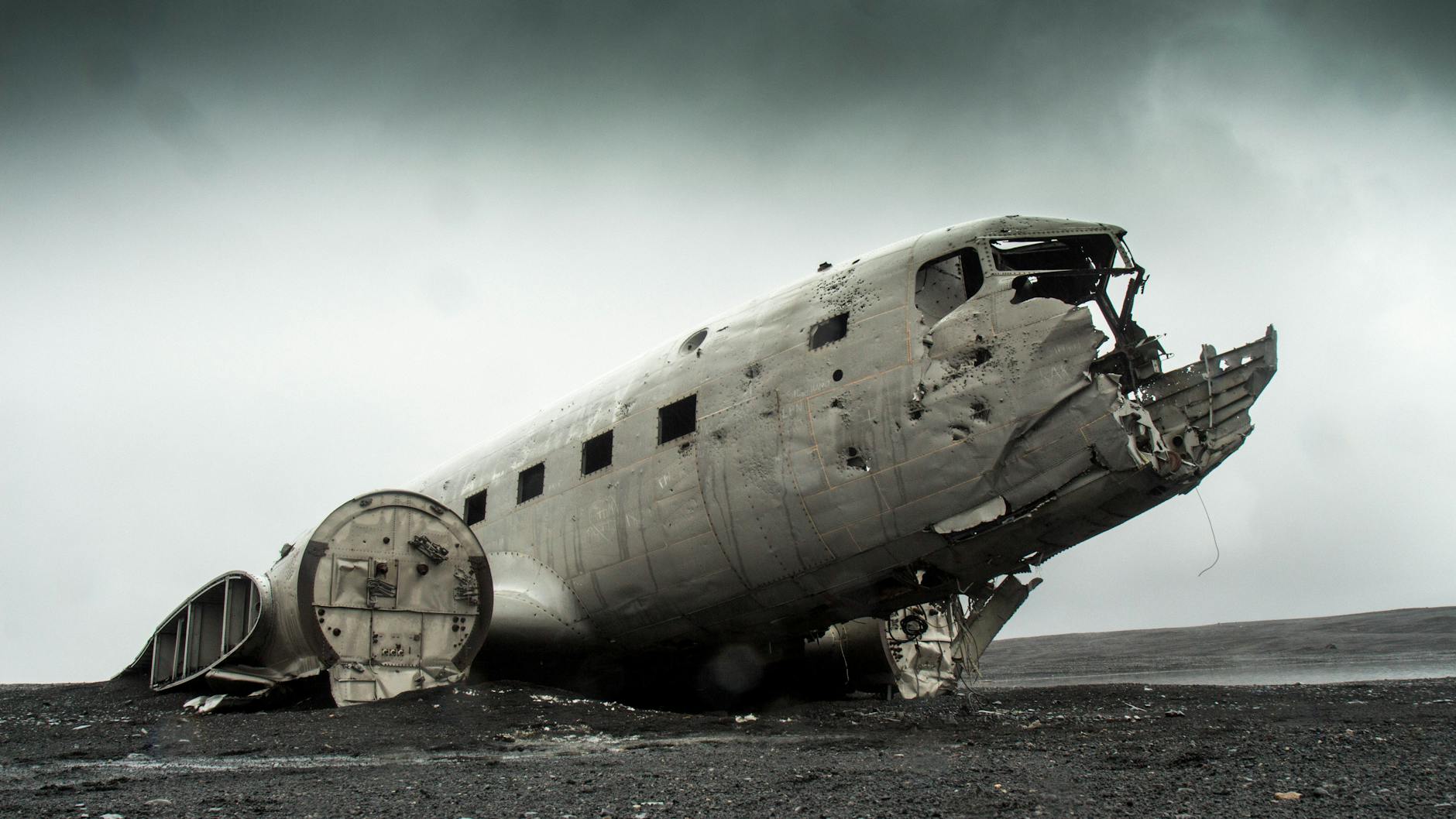
A month after India’s worst aviation tragedy in decades, officials are preparing to share a preliminary report. This document will offer the first official hints about why the Air India Boeing 787 Dreamliner crashed only 30 seconds after takeoff from Ahmedabad on June 12.
So far, investigators have released minimal information. The initial report is expected to focus on factual observations rather than conclusions. Officials usually take several months to piece together the complex sequence of events leading up to such a disaster.
Tragic Plane Crash and First Clues
The aircraft was fully loaded with fuel when it rapidly lost altitude and slammed into a hostel for medical students. This horrific impact killed almost everyone on board and over 30 people on the ground. The pilot managed to issue one mayday alert before the fatal descent.
Video footage showed normal conditions during takeoff until the landing gear wasn’t retracted. Soon after, the aircraft appeared to lose thrust. Analysts noticed that both engines seemed to fail at the same time, an extremely rare occurrence.
Aircraft can typically take off even if one engine fails. Pilots receive extensive training for single-engine scenarios. But both engines failing together? Analysts say that is “improbable like hell.”
Theories Behind the Disaster
Authorities recovered both the cockpit voice recorder and flight data recorder. These devices help reconstruct what happened in those final moments.
One line of investigation focuses on the fuel control switches in the cockpit. These switches control fuel flow to each engine. It remains unclear if the pilots intentionally or accidentally toggled these switches.
According to reports, early findings suggest the fuel switches may have been turned off. Whether this happened by mistake or as part of emergency procedures remains under investigation.
Company Reactions and Ongoing Investigation
GE Aerospace, which makes the engines, has not commented. Boeing referred questions to Indian authorities, and US agencies assisting in the probe have done the same.
India’s air accident authority has also not responded publicly yet. Investigators have not found any design or mechanical faults in the aircraft or engines so far. Usually, if a design flaw exists, notices or warnings are quickly issued to other operators, but no such alerts have come out.
Possible Human Error on Plane Crash
Officials are also studying the pilots’ backgrounds and flight experience. Captain Sumeet Sabharwal had logged 8,200 flight hours, while first officer Clive Kunder had 1,100 hours.
Evidence suggests that both engines failed, and the emergency ram air turbine deployed as a backup. Once both engines stopped at such a low altitude and speed, restarting them was impossible.
Experts explain that moving a fuel switch to cutoff stops fuel to that engine in seconds. If both switches are turned off, both engines die almost instantly.
Historical Context and Human Factors on Plane Crash
A similar incident happened in the 1980s when a Delta pilot mistakenly cut fuel to both engines but managed to restart them thanks to higher altitude. In contrast, the Air India crew had no time to recover.
Pilots sometimes cycle the fuel switches during emergencies, as part of memorized checklists. Flipping the switches to cutoff and then back on can help reset the engine control system.
This tragedy highlights how quickly decisions in the cockpit can turn critical. The upcoming preliminary report will not answer every question, but it will mark an important step toward understanding what really happened.
Stay updated as investigators continue to examine every piece of evidence to uncover the truth behind this devastating event.
How Modern Planes Handle Emergencies
Modern aircraft are built to handle unexpected situations and keep passengers safe. Engineers design every part with multiple backups so that a single failure doesn’t turn into a disaster.
Engines Can Fail Safely before Plane Crash
If one engine fails, most commercial planes can still fly and even take off using the other engine. Pilots train often for this exact scenario, practicing how to turn back or land safely.
Advanced Flight Control Systems
Planes today have smart flight control systems that help pilots maintain stability during tough situations. These systems can correct sudden movements and make the aircraft easier to handle.
Multiple Backup Power Sources
When main electrical power is lost, planes switch to backups like the ram air turbine. This small device generates enough power to control the aircraft until landing.
Fire and Smoke Control to avoid Plane Crash
Cabins have fire-resistant materials and smoke detectors. In case of smoke or fire, crews follow strict procedures to protect passengers and keep the plane under control.
Strong Communication Tools
Pilots stay in constant contact with air traffic control and airline operations teams. In emergencies, they get quick support for route changes and priority landings.
Strict Maintenance Checks
Before every flight, planes go through careful checks. Regular maintenance and inspections catch most problems long before they pose a risk.
All these features show that modern planes are not just fast but also incredibly safe, even when things don’t go as planned.
Safety Tips for Passengers
Flying is one of the safest ways to travel, but many still feel anxious before boarding. Staying informed can help ease worries and make you feel more in control.
Check the Aircraft Model
Before booking, look up the aircraft type. Some travelers prefer newer models, as they often include updated safety features. You can usually find this information on the airline’s booking page or by checking your flight details on apps like FlightRadar24.
Research the Airline’s Safety Record
Spend a few minutes researching the airline’s safety history. Sites like AirlineRatings.com score airlines based on safety audits and past records. A strong safety record can offer extra peace of mind.
Understand Emergency Procedures
Take a moment to read the safety card in your seat pocket. Listen carefully to the crew’s safety briefing. Knowing where the exits are and how to operate your life jacket or oxygen mask can make a big difference during rare emergencies.
Stay Alert During Critical Phases
Most incidents happen during takeoff and landing. Keep your seatbelt fastened and avoid distractions during these times. If you’re awake and aware, you’ll react faster if something unusual happens.
Travel Light and Smart
Keep essential items like shoes, a jacket, and important medications within reach. In an emergency, bulky carry-ons can slow down evacuation.
Check Weather and Flight Updates to avoid Plane Crash
Monitor weather conditions and check your flight status on reliable apps or airline websites. Delays or route changes sometimes relate to safety decisions made by the crew.
By following these simple steps, you can travel with more confidence and feel prepared every time you board a flight.

Leave a Reply